
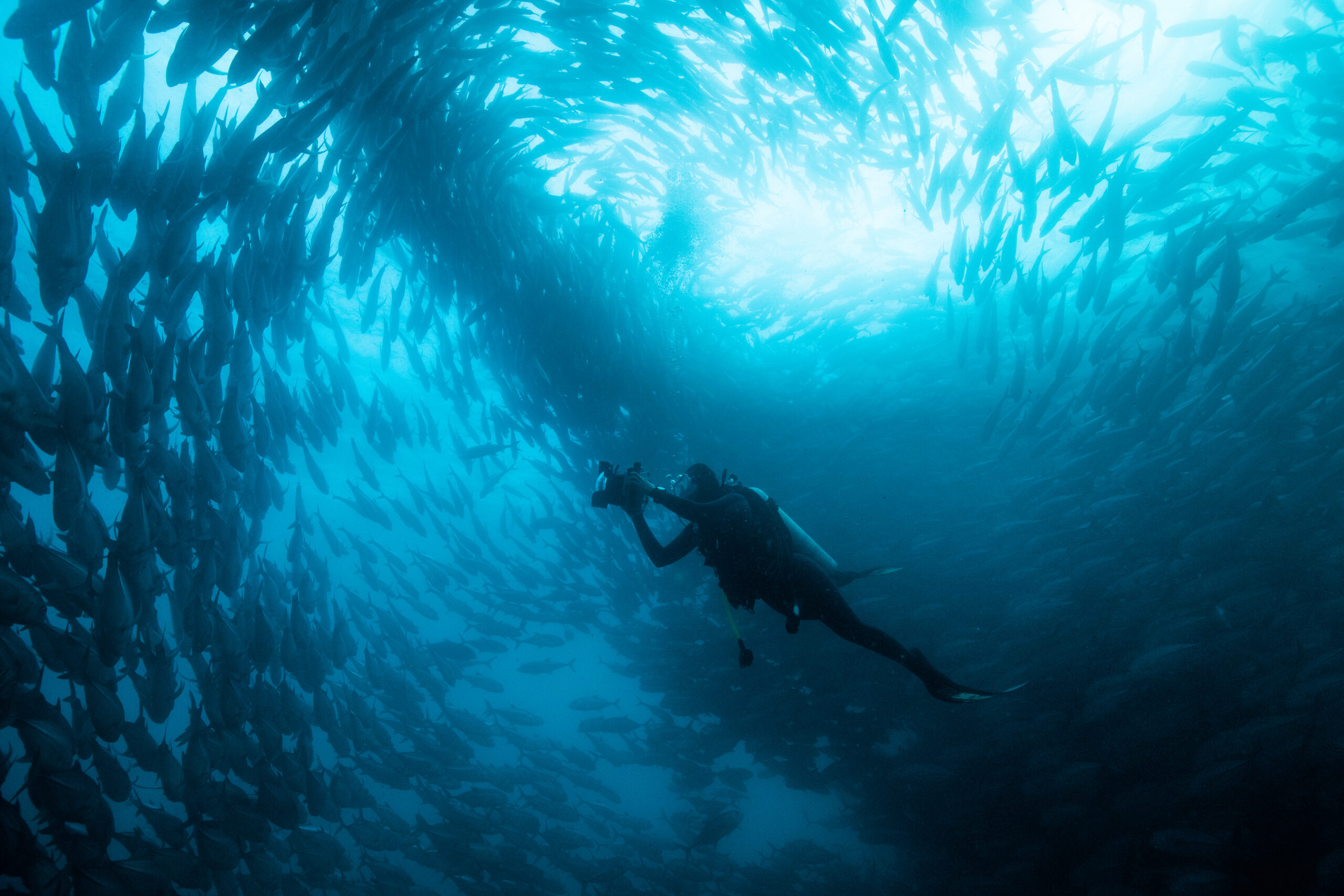
CEPHALOPOD: What Different Perspectives Reveal
CEPHALOPOD brings together observations that measure marine biodiversity in very different ways. Following on from our previous article, we dive into what has been revealed by bringing these different perspectives together – where they agree and where they tell complementary stories about ocean biodiversity.
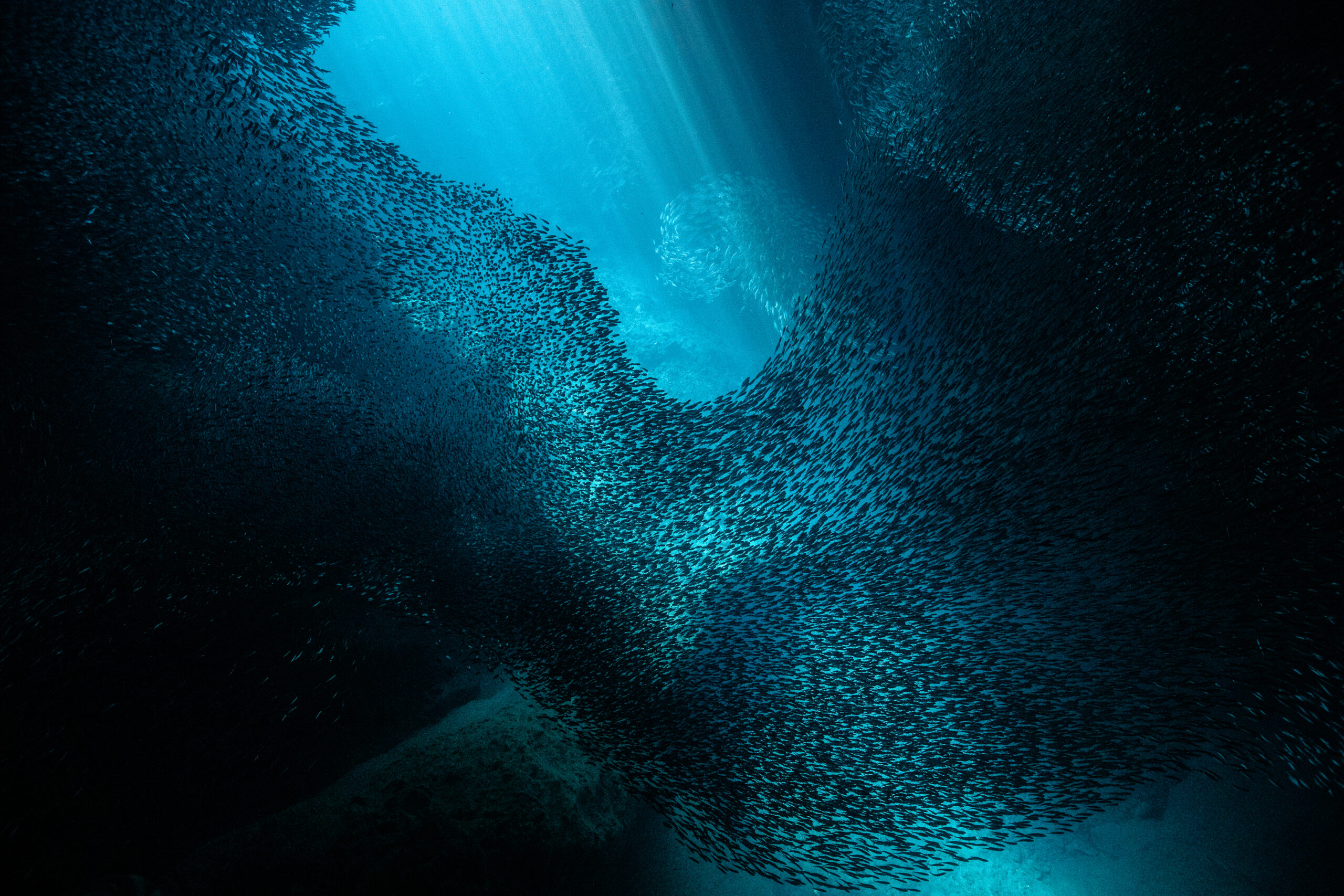
CEPHALOPOD: From Data to Knowledge
We observe the ocean in many different ways. Turning these diverse observations into a coherent picture of marine biodiversity, however, remains a major challenge. CEPHALOPOD provides a pathway from fragmented observations to reliable knowledge, helping researchers, decision-makers and society to better understand, protect and manage our ocean for a sustainable blue future.
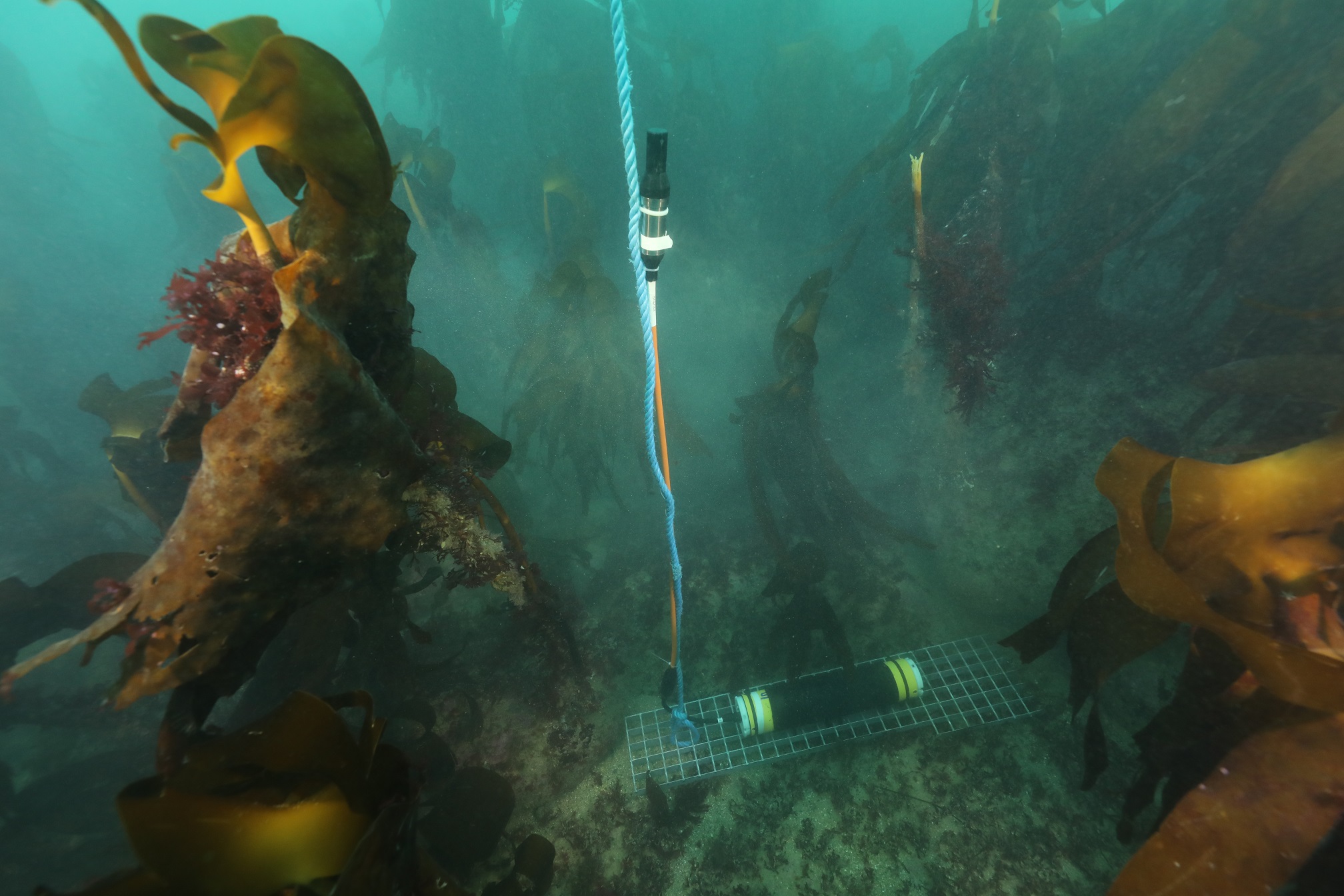
Listening for Change in Europe’s Kelp Forests
Marine kelp forests are biodiversity hotspots that are highly vulnerable to climate change. Marine ecoacoustics is helping establish the baseline of natural variability needed to detect long-term ecological shifts.
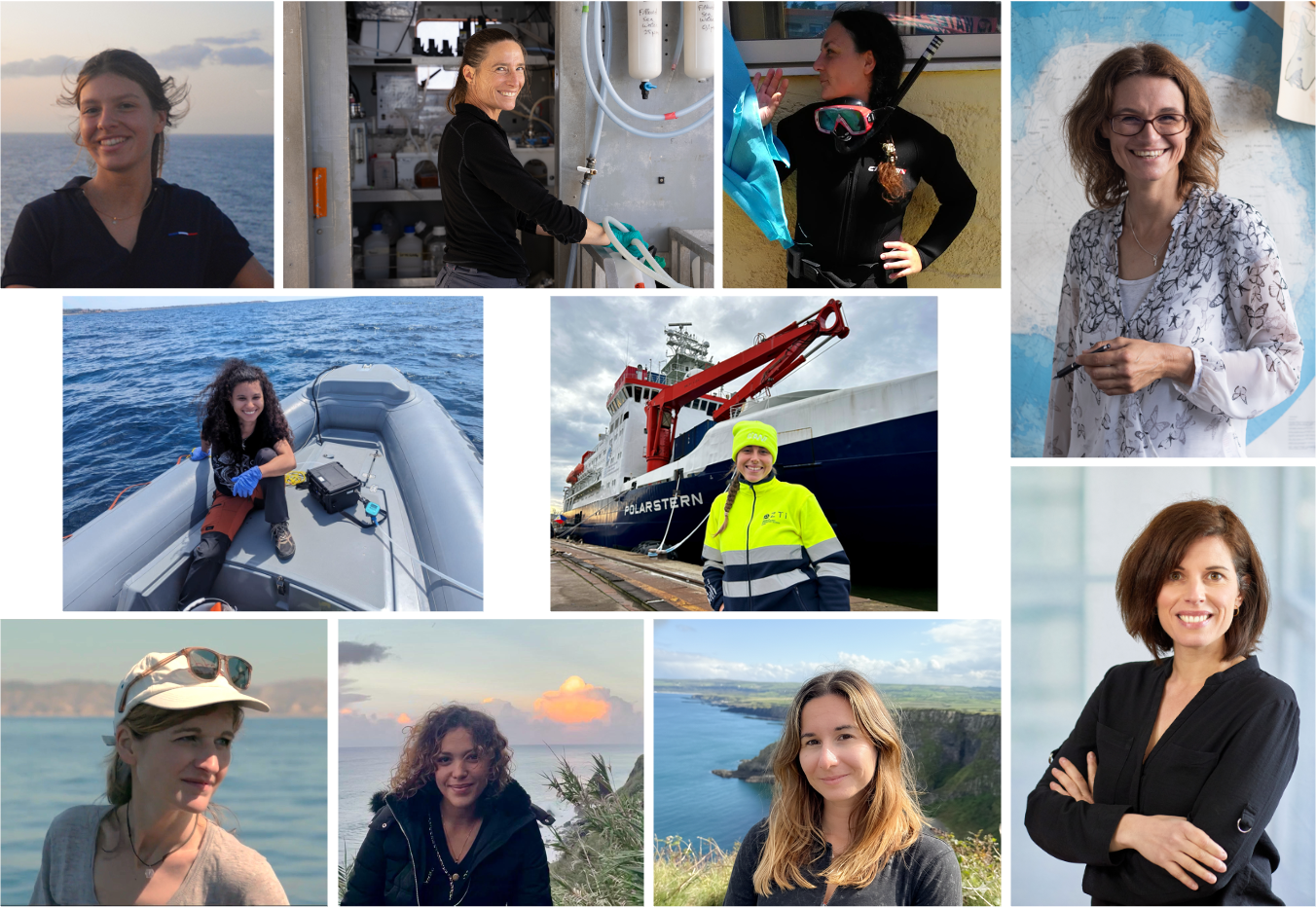
BIOcean5D Women in Science
Discover the diverse contributions and personal reflections of 10 BIOcean5D colleagues, originally featured to celebrate the International Day Of Women And Girls In Science on 11 February 2026 and shared here so these inspiring stories continue to be seen and celebrated.

Curiosity in Catalonia
Following our previous article on the Plankton Planet Curiosity-Scopy workshop in Paris, we dive into how the Curiosity microscopes distributed by BIOcean5D are being used in Catalonia to support education, citizen science, ocean literacy and awareness of aquatic biodiversity.

Curiosity in Action: Exploring the Invisible in Education and Outreach
Curiosity microscopes were distributed by BIOcean5D to schools and outreach partners across Europe to promote citizen science, ocean literacy and public awareness of aquatic biodiversity. At a recent workshop in Paris, recipients came together to share their experiences and explore new ways of using this remarkable tool to help safeguard the biodiversity of our oceans, rivers and lakes.

Imaging Marine Life at the Subcellular Scale
Thousands of openly accessible fluorescence microscopy images of plankton sampled along the European coastline are supporting current research into marine biodiversity, while also creating opportunities for future discoveries.

Take the Next Step with BIOcean5D Training Courses: From Data to Communication
Dive into three BIOcean5D online courses, developed by the Marine Training Unit (EMBRC, EMBRC-BE/Ghent University), designed to support transferable skills development in ocean and marine sciences.